
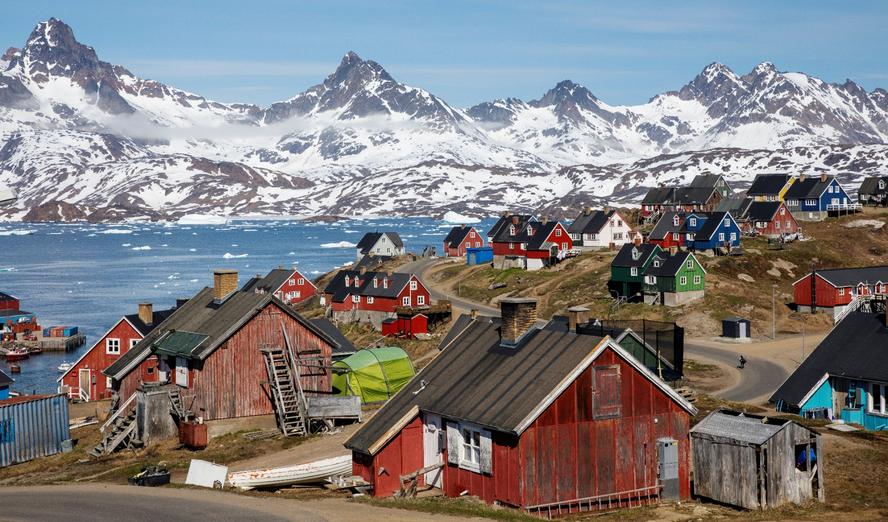

Greenland is witnessing an unprecedented winter transformation. The Arctic island recorded its warmest January on record, with temperatures averaging 0.2°C, a striking contrast to the historical norm of minus 7.7°C between 1991 and 2020, according to data from the Danish Meteorological Institute.
The unusually mild winter is disrupting daily life across remote communities.
Dog sledding — a symbol of Arctic identity and a key mode of transport — is becoming increasingly unviable. Thin snow cover prevents sledges from gliding, leaving teams idle and incomes diminished. As the sled season shrinks to mere weeks, maintaining dog teams is no longer financially sustainable for many families.
Hunting practices are also under threat. Sea ice, critical for accessing hunting grounds and ensuring safe travel, is thinning and cracking unpredictably. Hunters report fewer successful expeditions, resulting in reduced food supplies and higher reliance on imported products.
Arctic warming is occurring at nearly four times the global average rate, scientists say. The region’s snow cover continues to decline, and sea ice formation is weakening year by year.
The ecological balance is shifting as well. A notable rise in orca sightings in Greenlandic fjords suggests warmer waters and diminishing ice barriers. Researchers warn that increased killer whale activity may accelerate coastal ice loss and alter marine ecosystems.
Economic pressures are mounting. Tourism centered on snow and ice experiences is declining, while youth migration to cities is increasing as traditional livelihoods become uncertain.
Although alternatives such as snowmobiles and extended boat use are being considered, fuel costs are high and weather conditions are becoming more volatile. Traditional knowledge, once sufficient to navigate the Arctic environment, is now challenged by unpredictable climate patterns.
Experts argue that significant global emissions cuts are urgently needed to slow Arctic warming. At the same time, local communities are seeking investments in resilience, food security, and diversified economic opportunities.
Greenland’s warming winter underscores a stark reality: climate change is already transforming one of the planet’s most fragile and iconic regions.